
Choosing between an electric and manual toothbrush may seem simple, but both can be effective when used correctly. The better choice depends on your brushing habits, comfort, budget, and personal needs.
Electric toothbrushes can make consistent brushing easier, while manual toothbrushes are inexpensive, simple, and convenient. Here’s what to consider before choosing one.
Is an Electric Toothbrush Better Than a Manual Toothbrush?
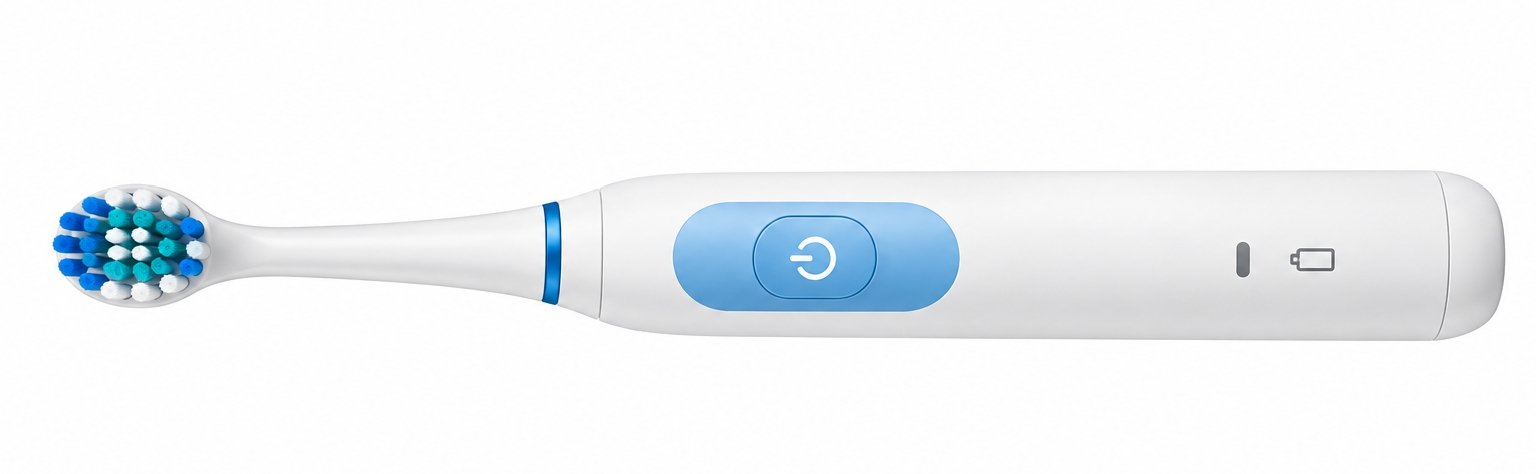
There isn’t a simple answer that an electric toothbrush is always better.
Research has found that powered toothbrushes can provide benefits for plaque removal and gum health, but brushing technique and consistency still matter. The University of Iowa College of Dentistry notes that a properly used manual toothbrush can also be effective.
An electric toothbrush performs much of the brushing movement for you, which may make it easier to maintain a consistent routine. If you’re interested in trying one, the Philips Sonicare 5950 Series Electric Toothbrush is one option to compare, with features such as a pressure sensor, timer, multiple brushing settings, and a rechargeable battery.
A manual toothbrush gives you more control over the movement and pressure. If you already brush carefully and consistently, you may not need to switch to an electric model.
Does Brushing Technique Matter?
Yes. The type of toothbrush is only part of the equation.
Using excessive pressure does not necessarily mean cleaner teeth and may be uncomfortable for your gums. Cleveland Clinic recommends avoiding overly aggressive brushing and replacing worn toothbrushes or brush heads regularly.
An electric toothbrush can help some people maintain a more consistent routine because the powered movement does some of the work. Features such as timers and pressure sensors can also be useful.
With a manual toothbrush, you control the brushing movement yourself, so using appropriate pressure and technique is particularly important.
Which Toothbrush Is Easier to Use?
For many people, an electric toothbrush can make brushing feel easier because the brush head moves automatically.
This can be particularly useful for people who find manual brushing difficult or have trouble maintaining a consistent brushing technique.
A manual toothbrush is simpler. There is no battery to charge, no electronic controls, and no charging base. You simply apply toothpaste and brush.
For children, personal preference can also matter. A toothbrush that a child is comfortable using may make it easier to maintain a regular brushing routine. The Made by Dentists Good Vibes Only Sonic Electric Toothbrush is one option to consider for children who are ready for an electric toothbrush.
What Type of Bristles Should You Choose?
Bristles matter whether you choose an electric or manual toothbrush.
The American Dental Association recommends choosing a toothbrush with soft bristles because they help minimize the risk of gum abrasion. The University of Iowa also discusses the importance of choosing appropriate bristles and avoiding excessive pressure.
You should also pay attention to the condition of the bristles. If they become frayed, bent, or noticeably worn, it is time to replace the toothbrush or brush head.
When choosing a manual toothbrush, a soft-bristle manual toothbrush is a simple option to consider if you prefer a traditional design.
How Often Should You Replace a Toothbrush?
The American Dental Association recommendation cited by Cleveland Clinic is to replace a toothbrush every three to four months, or sooner if the bristles become damaged or frayed.
The same general replacement principle applies to electric toothbrush heads. Using a worn brush head for too long can reduce its effectiveness.
You may also need to replace your toothbrush sooner if the bristles become badly damaged. If you use an electric toothbrush, keeping replacement brush heads available can make it easier to replace the head when it becomes worn.
What Are the Advantages of a Manual Toothbrush?
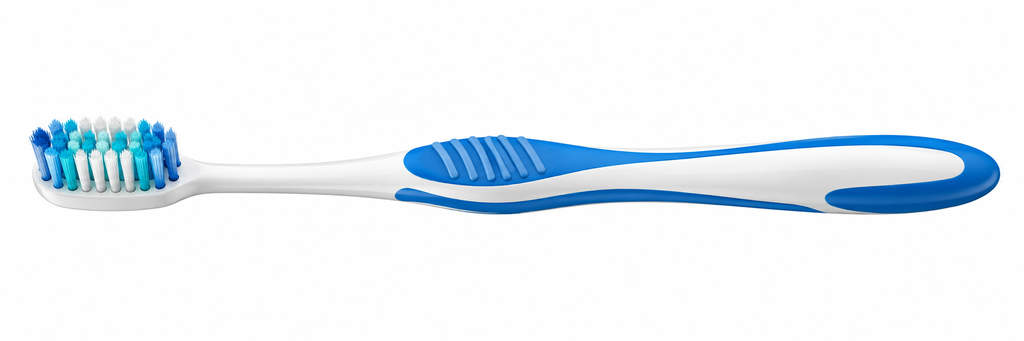
The biggest advantage of a manual toothbrush is simplicity.
Manual toothbrushes are inexpensive, lightweight, easy to find, and convenient for travel. They don’t require charging or batteries, and replacing one is straightforward.
They can also work effectively when used with proper brushing technique.
If you already have good brushing habits and don’t want the additional cost of an electric toothbrush and replacement heads, a manual toothbrush can be a practical choice. A soft manual toothbrush can provide the basic features most people need without adding electronic components.
What Are the Advantages of an Electric Toothbrush?
Electric toothbrushes can make consistent brushing easier because the powered brush head performs the brushing movement for you.
Some models also include features such as built-in timers, multiple brushing modes, pressure sensors, and rechargeable batteries.
These features aren’t essential for everyone, but they can be useful if they help you brush more consistently or avoid using excessive pressure. For example, the Philips Sonicare 5950 Series Electric Toothbrush combines a pressure sensor and timer with multiple brushing settings.
The main disadvantage is cost. An electric toothbrush usually costs more initially, and replacement brush heads create an ongoing expense.
Which One Is Better for Travel?
A manual toothbrush is usually the simpler travel option because it doesn’t require charging or carrying an extra power adapter or charging base.
An electric toothbrush can still be convenient if you already use one regularly, particularly if it has a long battery life and a compact charging setup.
Your choice therefore depends largely on whether convenience or familiarity matters more during travel.
Which One Should You Choose?
The right choice depends on your habits and preferences.
If you want a simple, inexpensive toothbrush and are comfortable maintaining good brushing technique, a manual toothbrush may be all you need.
If you want help maintaining consistent brushing, prefer powered brushing, or would benefit from features such as a timer or pressure sensor, an electric toothbrush may be worth considering.
Neither option removes the need for proper brushing. The University of Iowa emphasizes that technique and consistency remain important regardless of the toothbrush you use.
If you have braces, sensitive gums, persistent gum problems, or another specific dental concern, consider asking your dentist which toothbrush and brushing technique is appropriate for you.
Make Your Choice Based on Your Routine
An electric toothbrush isn’t automatically the right choice for everyone, and a manual toothbrush isn’t simply an inferior option.
The better choice is the one that fits your routine and helps you brush properly and consistently. Consider your brushing habits, comfort, budget, replacement costs, and any specific dental needs before deciding.
Whichever type you choose, replace the toothbrush or brush head regularly and avoid using excessive pressure.
Amazon affiliate disclosure: As an Amazon Associate I earn from qualifying purchases.