
Buying a smartphone based only on its specifications can be misleading. A phone may look impressive on a product page, but what matters more is how it performs after months and years of everyday use.
I bought my Infinix Zero 30 on May 5, 2024, and I have been using it since then. After more than two years of regular use, I now have a much better idea of what I like about this phone, where it performs well, and where it falls short.
This is not a specification-based review. It is based mainly on my actual experience with the phone, along with the specifications currently shown on my device.
My Infinix Zero 30 Specifications
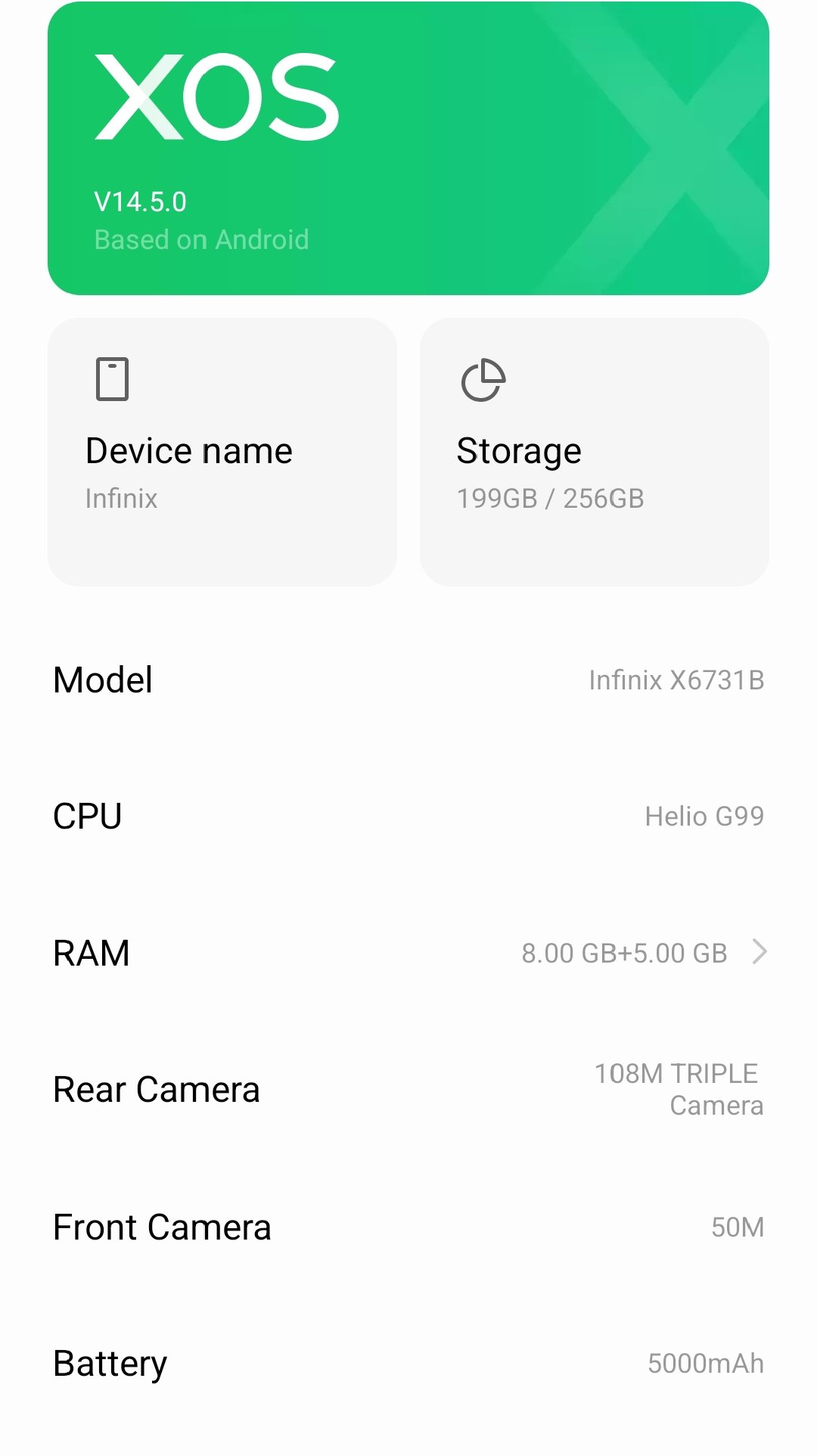
My phone currently shows the following specifications:
- Model: Infinix X6731B
- Storage: 256GB
- RAM: 8GB + 5GB extended RAM
- Processor: MediaTek Helio G99
- Rear camera: 108MP triple camera
- Front camera: 50MP
- Battery: 5,000mAh
- Screen resolution: 1080 × 2400
- Android version: Android 14
Specifications can help you understand what a phone offers, but my experience with the phone is more important for this review.
Performance Has Remained Good for Me
One of the things I have liked most about the Zero 30 is its everyday performance, using the MediaTek Helio G99 platform.
I have used the phone regularly for more than two years, and it has remained responsive enough for my normal tasks. I have not experienced significant hanging or freezing during everyday use.
The 256GB storage has also been a major advantage for me. I have enough space for apps, photos, videos, documents and other files without constantly worrying about running out of storage.
For my usage, this has made the phone feel practical rather than restrictive.
The 256GB Storage Is One of Its Best Features
Storage is something buyers often overlook when comparing smartphones.
In my case, the 256GB storage has made a noticeable difference. I have been able to keep a large amount of data on the phone without regularly having to delete files just to free up space.
I also believe that having enough storage contributes to a more comfortable long-term experience. You don’t want to spend years with a phone while constantly seeing storage warnings.
For someone who keeps a lot of photos, videos, apps or documents, choosing enough storage from the beginning can be more useful than paying extra for a feature that you may rarely use.
Battery Life: Satisfactory for My Usage
The Zero 30 has a 5,000mAh battery, and my experience with its battery life has been satisfactory.
After a full charge, I generally get around 5 to 6 hours of use, depending on what I am doing with the phone.
Battery life naturally changes according to screen brightness, mobile network conditions, applications, video usage and other factors, so I would not treat my 5–6 hour experience as a laboratory battery test.
For my normal routine, however, the battery has been good enough.
I have not considered battery life a major weakness of this phone.
The Phone Has Not Had a Serious Heating Problem for Me
Another positive point from my experience is that I have not noticed problematic heating during normal use.
The phone can become warm under heavier workloads, as smartphones normally can, but I have not experienced persistent or unusually high heating that made me uncomfortable using it.
After more than two years, this is one of the things that has contributed to my overall positive impression of the phone.
Camera Quality Is Acceptable, But Not Its Strongest Point
The camera experience is more mixed.
My phone has a 108MP triple rear camera and a 50MP front camera, which sound impressive on paper.
However, in my actual experience, I would describe the camera results as medium or acceptable rather than exceptional.
The camera is capable of producing useful photos for everyday purposes, but I would not choose this phone specifically because of its camera if photography were my top priority.
This is an important lesson when comparing smartphones: a larger megapixel number does not automatically mean that the camera will produce the best real-world results.
What About Calls and Network Performance?
This is the area where I have had some concerns.
I have occasionally experienced dropped calls or unclear voice quality while using the phone.
However, I don’t think it would be fair to simply blame the phone for this problem.
I have noticed similar network or call-quality issues when using other phones as well. Because of that, I cannot confidently say that the problem is caused by the Infinix Zero 30 itself.
Network coverage, SIM condition, carrier performance and local network conditions can all affect call quality.
So, based on my experience, I would mention this as something I have encountered rather than calling it a confirmed defect of the phone.
What I Like Most About the Infinix Zero 30
1. Reliable Everyday Performance
The phone has continued to handle my normal daily tasks without significant hanging or freezing.
2. 256GB Storage
This has probably been one of the most useful features for long-term ownership.
3. Satisfactory Battery Life
Getting around 5–6 hours of use after a full charge has been enough for my routine.
4. No Major Heating Issue
I have not experienced persistent heating problems during my normal usage.
5. Good Long-Term Experience Overall
Most importantly, after more than two years, I still consider my experience with the phone to be good overall.
What I Don’t Like
The phone isn’t perfect.
The camera performance is only average from my perspective, and the occasional call or voice-quality issue has been frustrating.
I also wouldn’t recommend buying it today solely because I have had a good experience with my particular unit. Smartphone models, software versions, prices and competing phones change over time.
A good experience with one phone should be treated as useful information—not as proof that it is the best choice for everyone.
Who Might Like This Phone?
Based on my experience, the Zero 30 makes the most sense for someone who values everyday reliability, plenty of storage and satisfactory battery life more than having the best possible camera.
It may also appeal to buyers who keep their phones for several years and want enough storage to avoid constantly managing their files.
On the other hand, someone whose main priority is photography should compare newer alternatives carefully before making a decision.
What Two Years of Use Taught Me
My biggest lesson from using the Infinix Zero 30 is that specifications only tell part of the story.
A phone with a large camera sensor, plenty of RAM or a high megapixel count can look impressive on paper. But after living with a phone for years, smaller things can become more important.
Does it remain responsive?
Is there enough storage?
Does the battery still fit your routine?
Does it become uncomfortably hot?
Are the features actually useful to you?
Those are the questions I now consider more important than simply comparing numbers on a specification sheet.
My Verdict After 2+ Years
After buying the Infinix Zero 30 on May 5, 2024, I would describe my overall experience as good.
The phone has performed reliably for my everyday needs, the 256GB storage has been particularly useful, battery life has been satisfactory, and I have not experienced a serious heating or hanging problem.
The camera is only average in my experience, and I have occasionally faced call-quality issues, although I cannot confidently attribute those network problems to the phone because I have seen similar issues on other devices.
Would I buy the exact same phone today? That is a different question because the smartphone market has changed since 2024.
But looking at the phone purely from my experience as an owner, the Infinix Zero 30 has served me well for more than two years, and I have been satisfied with the purchase overall.
Pingback: Is Your Phone Too Old? 7 Signs You Should Upgrade
Pingback: RAM vs Storage: What’s the Difference and Which Matters More?